
Tinted / Body-Coloured Glass
Metal oxide colorants throughout the glass thickness. SGG Parsol® range — Bronze, Grey, Green, Aquamarine. Solar control with distinctive aesthetic character.
Tinted Glass — Colour & Solar
The colour runs through the entire thickness — not a surface coating. Tinted glass absorbs solar energy, reducing heat gain, light transmission and glare. Darker tints and thicker panes absorb more energy.
Colour Options & Performance (6mm)
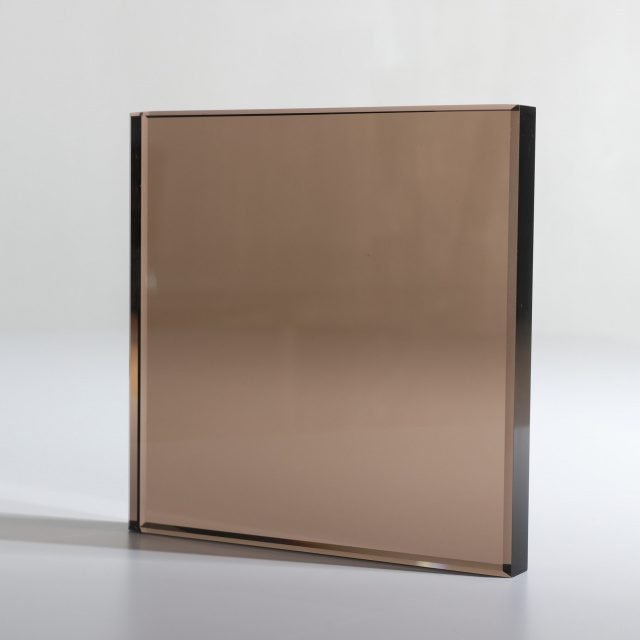
| Colour | Tint Agent | Light Trans. | g-value | UV Block | Weight/m² | Brands |
|---|---|---|---|---|---|---|
| Bronze | Iron + Selenium | 50% | 0.55 | 70% | 15 kg | Parsol Bronze, Optifloat Bronze |
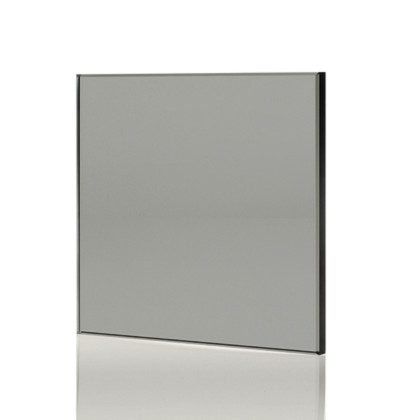
| Grey | Cobalt + Selenium | 43% | 0.52 | 62% | 15 kg | Parsol Grey, Optifloat Grey |
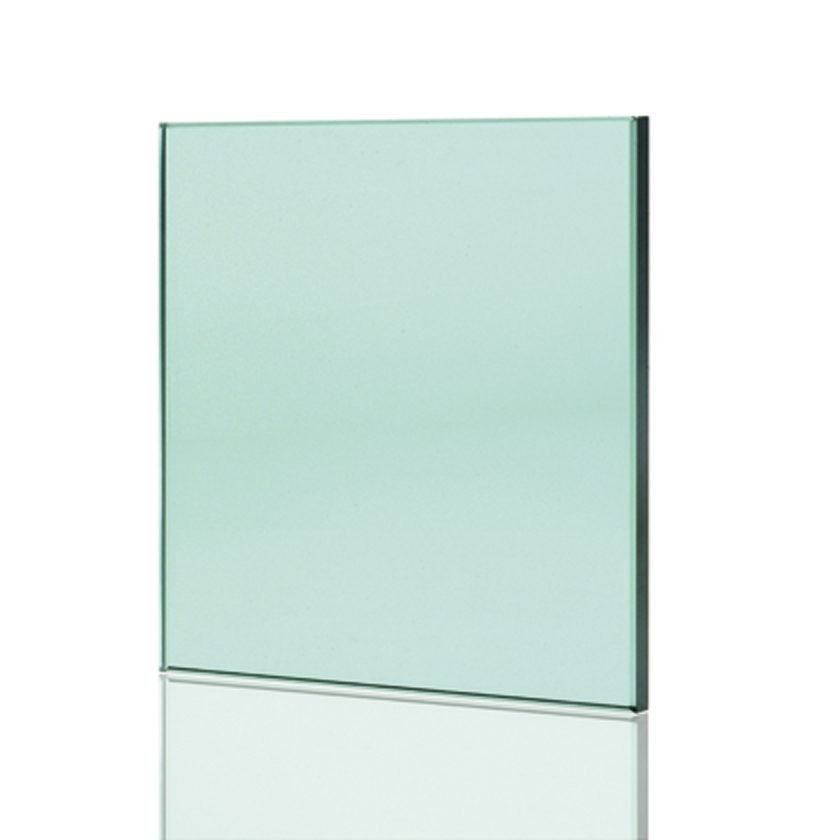
| Green | Iron Oxide | 65% | 0.52 | 55% | 15 kg | Parsol Green, Optifloat Green |
| Aquamarine | Iron + Cobalt | 60% | 0.52 | 58% | 15 kg | Parsol Aquamarine |
Compare the tint shades side by side:
Performance by Thickness
| Thickness | Bronze Light | Grey Light | Green Light | Weight/m² |
|---|---|---|---|---|
| 4mm | 57% | 50% | 72% | 10 kg |
| 6mm | 50% | 43% | 65% | 15 kg |
| 8mm | 44% | 37% | 59% | 20 kg |
| 10mm | 38% | 32% | 53% | 25 kg |
| 12mm | 33% | 27% | 48% | 30 kg |
Thermal Stress Warning
Tinted glass absorbs significantly more solar energy. Partial shading can cause thermal stress fracture. TOUGHENING STRONGLY RECOMMENDED for: panes >1.0 m², partially shaded locations, south/west orientations, dark tints (bronze, grey).Light Transmission & Solar Factor by Tint
Comparative typical ranges across the 4-12mm thickness range — darker, thicker glass always absorbs more:
| Tint | Light Trans. Range | g-value Range | Character |
|---|---|---|---|
| Bronze | 33-57% | 0.45-0.55 | Warm tone, moderate glare cut |
| Grey | 27-50% | 0.42-0.52 | Neutral tone, strongest glare cut |
| Green | 48-72% | 0.42-0.52 | Cooler tone, best light retention |
Where Tinted Glass Works Hardest
Tinted glass earns its place wherever glare and overlooking are the problem, not just heat. It suits west-facing elevations catching low evening sun, glazed doors and screens needing privacy without curtains or film, and shopfronts or offices wanting a distinct tone from the street. Because the colour runs through the full thickness, the tint reads the same from both sides — useful where the glass is seen from outside and in, such as internal screens and balustrades.
Body-Tint vs Coated Glass
Tinted (body-coloured) glass gets its colour from metal oxides mixed into the melt — the whole pane absorbs solar energy evenly, and the tint cannot wear, scratch off or delaminate. Solar control glass instead uses a thin metallic or metal-oxide coating on one surface, which rejects heat more efficiently for a given amount of light lost. Tint is chosen primarily for its look; a coating is chosen primarily for its performance. The two are not mutually exclusive — see below.
Combining Tint with Low-E
A tinted outer pane can be paired with a Low-E coated inner pane in the same sealed unit. The tint cuts glare and solar gain from outside; the Low-E coating on surface 3 reflects room heat back inside during colder months. This combination is common where a dark tint is wanted for appearance but the unit still needs to hold a competitive U-value for Building Regs compliance.
Care Notes
Tinted glass is cleaned the same way as clear float — a standard glass cleaner and a soft cloth or squeegee. No special products are needed, and the colour will not fade or wash out since it is not a surface treatment.
Related Products & Glass Types
Get a Trade Quote
Contact our sales team — most quotes returned within 2 hours.