
Mirror Glass
Silver float, low-iron (truest colour), grey, bronze, antique and safety-backed mirrors. Cut to size with polished, pencil or bevelled edges.
Mirror Glass — All Types
Mirror is made by depositing silver on the rear surface of float glass, protected by copper and paint layers. Must specify toughening BEFORE silvering if safety glass required.
Mirror Types
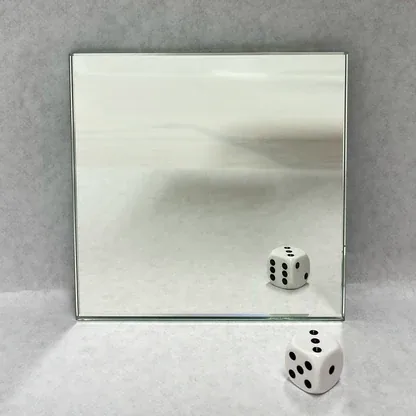
| Type | Base | Reflectivity | Edge | Thick. | Weight/m² | Application |
|---|---|---|---|---|---|---|
| Silver Float | Standard float | 92-95% | Green tint | 4, 6mm | 10-15 kg | Standard mirrors |
| Low-Iron Silver | Optiwhite/Diamant | 95%+ | Colourless | 4, 6mm | 10-15 kg | True colour — bathrooms, retail |
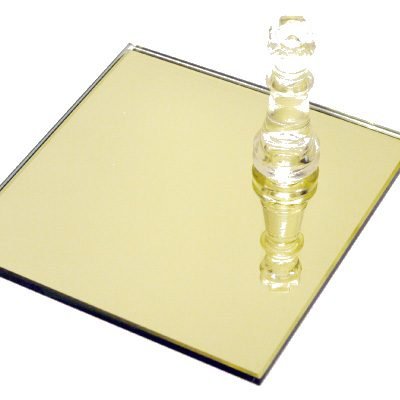
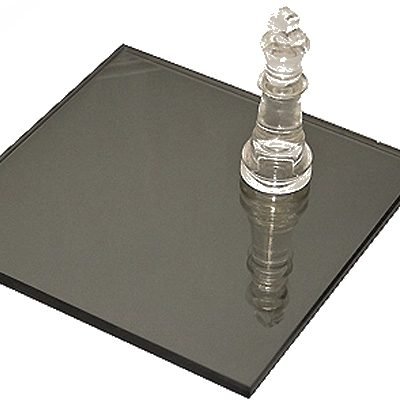
| Grey Mirror | Parsol Grey | 85-88% | Grey | 4, 6mm | 10-15 kg | Contemporary, feature walls |
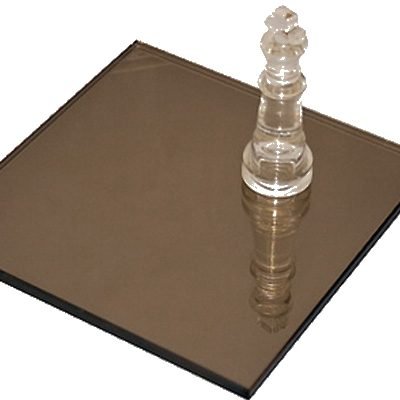
| Bronze Mirror | Parsol Bronze | 85-88% | Bronze | 4, 6mm | 10-15 kg | Warm, traditional |
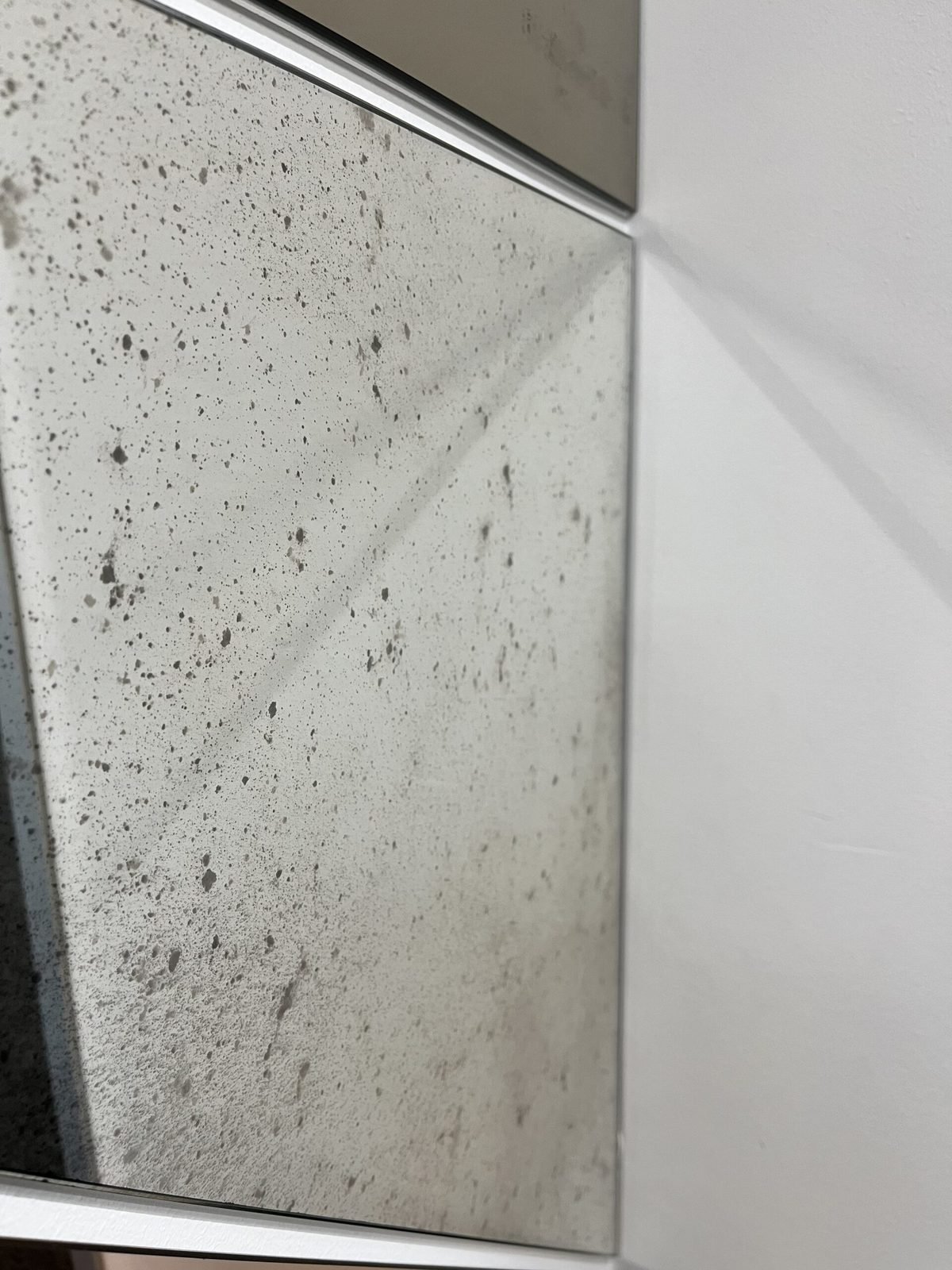
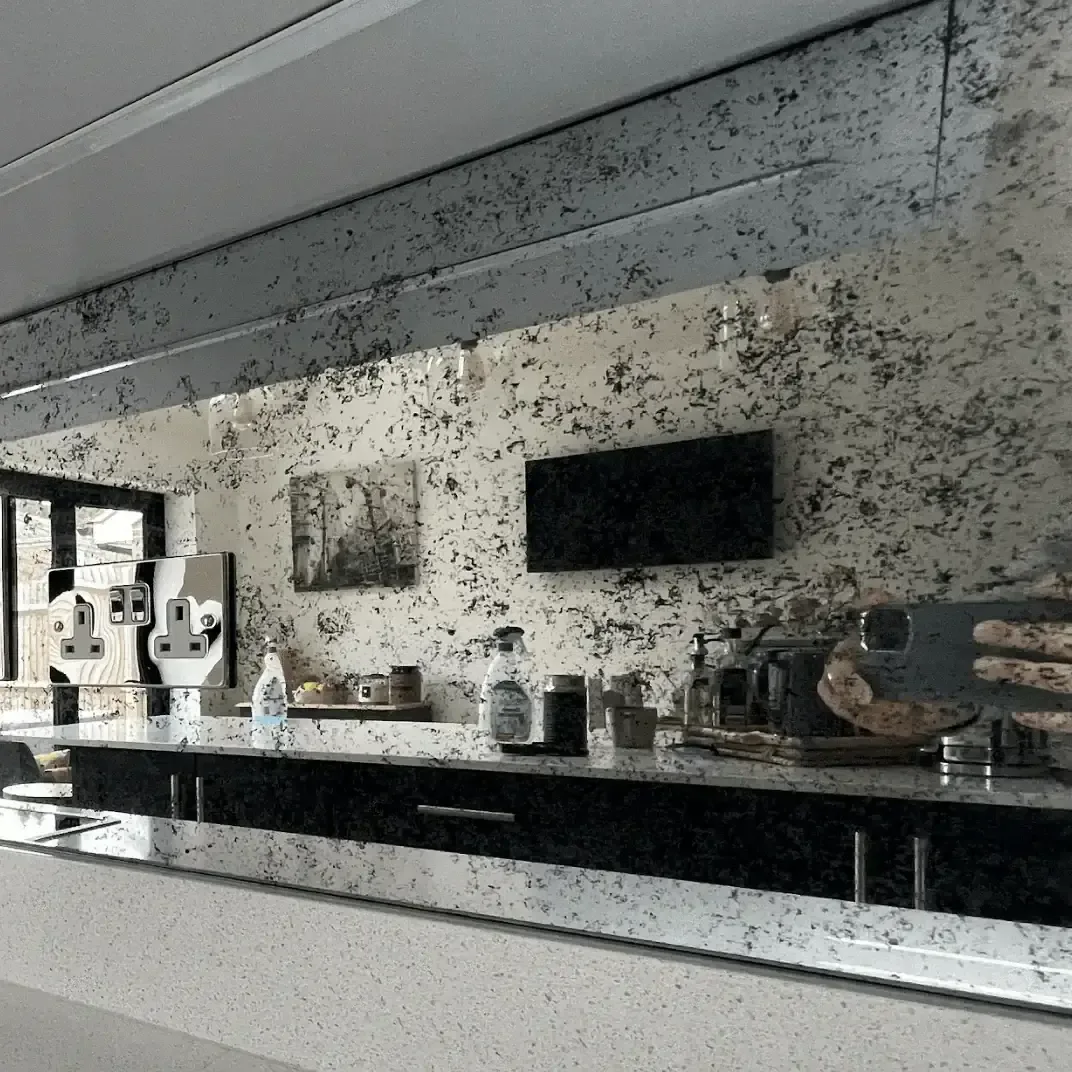
| Antique Mirror | Distressed silver | Variable | Variable | 4, 6mm | 10-15 kg | Vintage, boutique |
| Safety Backed | Any + vinyl film | As base | As base | 4, 6mm | 10-15 kg | Public areas, gyms, schools |
Specifications
How Mirror Glass Is Made
A thin layer of silver is deposited onto the rear surface of float glass, then backed with a copper layer to protect the silver from oxidation and a paint coating to protect the copper from moisture and knocks. The three layers together give a mirror its long service life — strip any one away and the reflective surface degrades. Because silvering is applied after the glass is formed, toughening must always happen first: heat-treating a finished mirror would damage the backing, so any mirror needing safety glass has to be specified as toughened-then-silvered from the outset.
See the four bonded layers that make up a mirror:
Applications
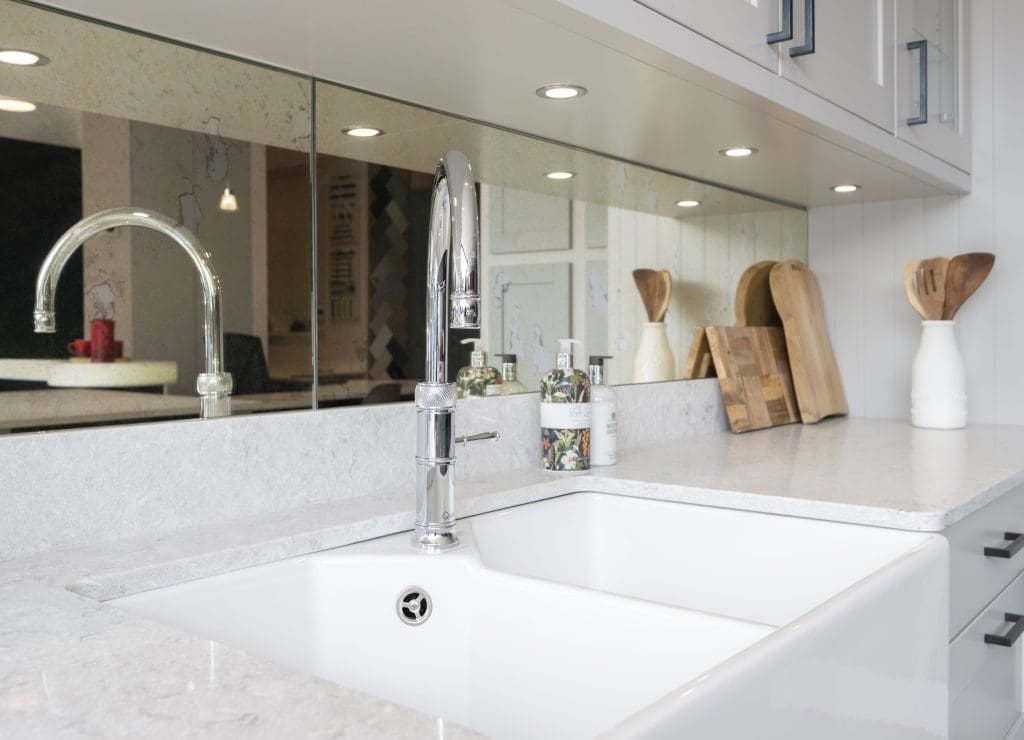
Mirror glass is specified across bathrooms and en-suites (often low-iron for true colour rendering against tiles), home gyms and studios (large format, safety-backed as standard), fitted wardrobe doors (safety-backed, polished or bevelled visible edges), and splashback mirrors behind basins and vanity units. Grey and bronze mirror are popular for feature walls and contemporary interiors where a fully reflective silver finish would feel too bright.
Safety Backing: Vinyl Film vs Toughened
Two routes satisfy safety requirements for mirrors in wardrobes, gyms, schools and other public-facing locations. A vinyl safety-backing film applied to the rear of standard silvered glass holds the pieces together if the mirror breaks, similar to laminated glass — a cost-effective, retrofit-friendly option. Toughened mirror (the float glass is toughened first, then silvered, since silvered glass cannot be toughened afterwards) breaks into small blunt fragments rather than large shards, giving a higher level of impact resistance. Vinyl-backed mirror is the more common specification for wardrobe doors and splashbacks; toughened mirror suits larger panels or higher-risk public areas.
Sizing & Edgework
Mirrors are cut to size from stock sheet up to the maximum sizes above, with a choice of seamed, polished, pencil-rounded or bevelled edges (10/15/25mm bevel widths). Drilled holes and cut-outs can be added for fixings, sockets or downlights — specify hole position and diameter at order stage, since redrilling a finished mirror on site is not practical.
Care
Clean with a standard glass cleaner and a soft, lint-free cloth. Avoid letting cleaning fluid run down behind the frame or pool at the bottom edge — moisture reaching the silvered backing over time is the most common cause of edge de-silvering, visible as a dark border creeping in from the perimeter.
- Fixing: use a mirror-safe neutral-cure adhesive — standard solvent adhesives attack the backing paint and show through as blotches.
- Bathrooms: ventilate well; persistent steam is what ages a bathroom mirror, not the occasional splash.
- Cleaning cloths: microfibre dry-buffs streak-free; avoid abrasive pads, which dull the surface polish.
- Edges: if an edge chip appears, have it re-polished promptly — chips give moisture a path behind the silvering.
Related Products & Glass Types
Mirror Finishes
Six finish families, rendered to tint — from bright low-iron to aged antique character. Request a physical sample to judge true reflectivity in your light.
Illustrative renders, not photographs — tints approximate on screen.
Get a Trade Quote
Contact our sales team — most quotes returned within 2 hours.