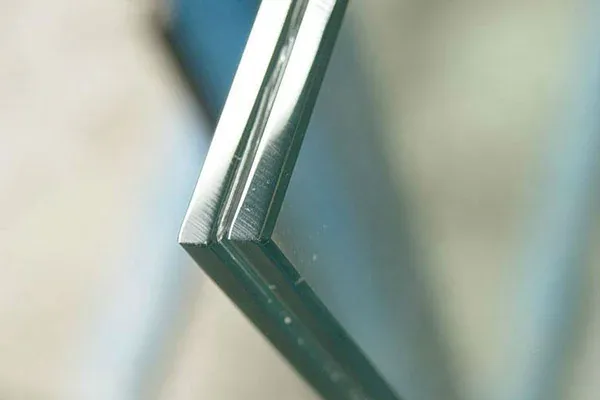
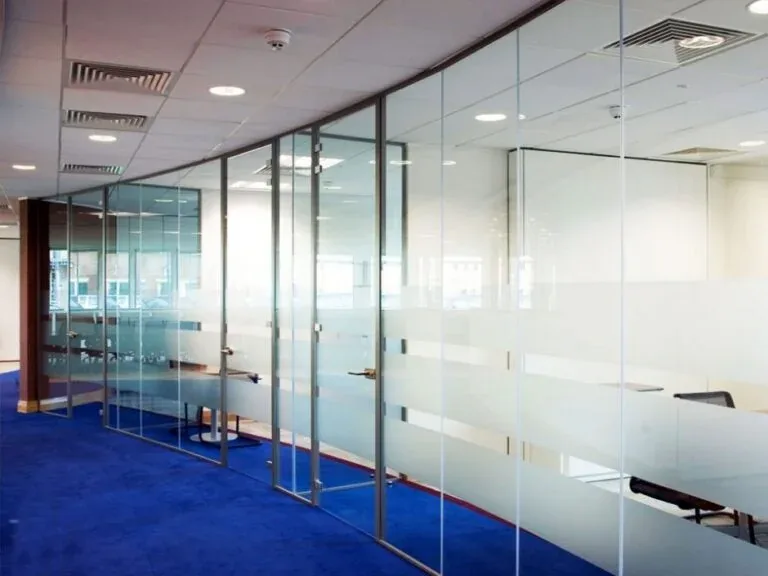
Specialist noise reduction glazing using acoustic PVB interlayer and asymmetric glass. 29 to 50+ dB Rw. Pilkington Optiphon™, SGG Stadip® Silence.
29-50+ dB RwOptiphonStadip SilenceAsymmetric
Glass Type
Acoustic Glass — Noise Reduction
Acoustic glass optimises three sound insulation principles: Mass (heavier glass blocks more sound), Damping (acoustic PVB absorbs vibration energy), and Decoupling (gas-filled cavity prevents direct vibration transfer). Asymmetric glass thicknesses prevent both panes resonating at the same frequency.
Performance Range
Configuration
Rw (dB)
Thickness
Weight/m²
Level
Noise Environment
4-16-4 Standard DGU
29
24mm
20 kg
Basic
Quiet residential
6-16-4 Asymmetric
32
26mm
25 kg
Improved
Light traffic
6.8L Acoustic-16-4
36
26.8mm
26 kg
Very Good
Busy roads
6.8L Acoustic-16-6
38
28.8mm
31 kg
Very Good
Urban
10.8L Acoustic-20-6
42
36.8mm
36 kg
Excellent
Major roads
10.8L-20-8.8L Dual
45
39.6mm
41 kg
Superior
Railways
12.8L-20-10.8L Dual
48
43.6mm
46 kg
Premium
Motorway
TGU Acoustic
50+
48-52mm
50+ kg
Ultimate
Airports
Sound reduction scales with glass build-up:
Acoustic Performance
Sound Reduction by Glass Build-up
Sound reduction index (dB Rw) — higher is quieter. Values indicative; actual performance varies by frame, install and exact build-up.
Acoustic glass sealed unit reducing outside noise
Understanding Decibels
Acoustic glazing fitted in a bedroom window
Reduction
Perceived
Real-World
3 dB
Just noticeable
Barely detectable
10 dB
Half as loud
Busy street → quiet road
20 dB
Quarter as loud
Main road → quiet office
30 dB
Eighth as loud
Heavy traffic → whisper
40 dB
1/16th as loud
Motorway → library
Upgrading from 29 dB (standard) to 42 dB (acoustic) makes noise sound approximately 90% quieter.
Around 36-38 dB (a 6.8mm acoustic laminated pane) covers most busy roads and urban settings. Go to 42 dB or higher for major roads.
Standard lead time is 3-5 working days for most acoustic sealed unit configurations.
Configurations range from 24mm to 52mm overall thickness — check your frame's rebate depth against the configuration you need, as higher-performance builds are noticeably thicker.
Yes. Acoustic PVB interlayers combine with Low-E coatings and argon fill in the same unit, so noise reduction does not come at the expense of thermal performance.
No — clean and maintain as any standard sealed unit. The acoustic performance comes from the interlayer and cavity design, not a surface treatment.
Get a Trade Quote
Contact our sales team — most quotes returned within 2 hours.